
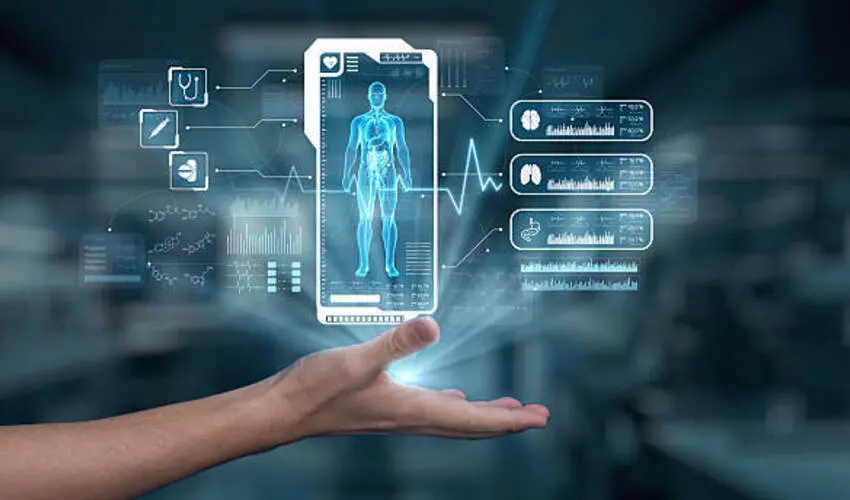
Remote Patient Monitoring (RPM) is a revolutionary technology that enables medical personnel to monitor patients remotely through the use of various devices such as sensors, wearables, and digital platforms for overall health improvement. Continuous monitoring of patients provides one with the opportunity for timely intervention, thus leading to better patient outcomes.
Introduction
The Rise of Remote Patient Monitoring
The concept of remote patient monitoring (RPM) has gained incredible prominence within modern healthcare in a very short period. The increasing reliance of medical professionals on distance monitoring to assess patients’ vital signs, chronic conditions, and their recovery has been made possible by wearable technology, IoT devices, and telehealth platforms, among others. Hence, the medical industry is witnessing better patient outcomes, fewer readmissions, and more efficient clinical workflows along with the implementation of RPM technology.
Trend 1: Integration of AI and Predictive Analytics
Artificial intelligence (AI) and predictive analytics are among the most prominent trends in RPM. AI-based algorithms can scrutinize real-time patient data and even detect the impending deterioration signals like irregular heart rhythms or abnormal blood sugar levels. Predictive analytics helps the healthcare industry to be proactive in its applications, thus leading to a reduction in emergency visits and an improvement in health management for the long run.
Trend 2: Wearable and Smart Devices
Wearables like smartwatches, biosensors, and connected blood pressure monitors are becoming more and more advanced. These devices gather and monitor the data of the whole patient’s health, including heart rate, oxygen levels, glucose readings, and sleep patterns. The trend is gradually leading to multi-parameter devices that are able to present a thorough insight regarding a patient’s health, thus minimizing the number of visits to the hospital.
Trend 3: Telehealth and Mobile Integration
Telehealth is a service that heavily depends on a remote patient monitoring system. The ongoing RPM data can now be captured through mobile apps and patient portals. This enables patients to share the information with their medical team without any hassle. Healthcare is now more convenient and personalized as the providers can schedule virtual consultations, treatment plans, and send reminders based on real-time monitoring.
Trend 4: Focus on Chronic Disease Management
The use of RPM is mainly driven by chronic disorders like diabetes, high blood pressure, and heart failure. Continuous monitoring provides actionable insights and support for timely interventions, which leads to managing these health issues successfully. This means fewer complications, better adherence to medication, and overall improvement in life quality for the patients.
Trend 5: Support from Regulators and Reimbursements
Government and healthcare regulators are realizing more and more the utility of RPM. The policies that are desecrating telehealth reimbursement, compliance with privacy regulations, and standardization of devices are promoting adoption rapidly.
The Future of Remote Patient Monitoring
The future of RPM is going to be more predictive, connected, and patient-centered. AI-driven insights, cutting-edge wearable technology, and perfect integration into healthcare ecosystems will make RPM a major player in the transformation of chronic disease management, post-operative care, and preventive medicine.
Frequently Asked Questions (FAQs)
Is RPM applicable to all patients?
RPM works best for patients with chronic conditions, after surgical treatment, or those who need constant observation.
How is the patient’s data kept confidential?
Top-notch RPM systems guarantee privacy through encryption, HIPAA compliance, and safe cloud storage.
Will RPM lead to a decrease in hospital visits?
RPM allows the detection of patients’ problems earlier, which significantly reduces hospital admissions that are not necessary.
Are special devices required for RPM for the patients?
The majority of RPM programs supply sensors or devices that are wearable and compatible, but the monitoring process is facilitated through mobile apps as well.
Be the first to know about healthcare breakthroughs. Make use of the most recent remote patient monitoring solutions today to upgrade patient care, elevate outcomes, and reduce the burden of clinical workflows.